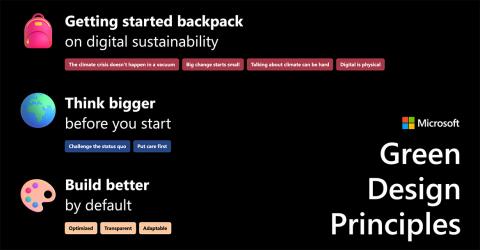
Microsoft launched a set of green design principles aimed at guiding projects on how to keep climate and sustainability in mind when designing and implementing products and software.
Scientists at the University of New South Wales in Australia have developed a solar cell that generates power at night-time. The thermoradiative diode captures the infrared energy emitted by the earth at night after being absorbed as solar radiation during the day. The night-time solar system currently produces 1/10th the power of a conventional solar cell.
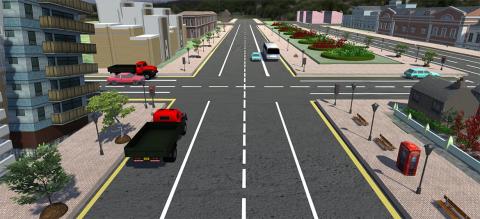
Computer science researchers at Aston University have created an AI traffic light management system that is more efficient at reducing traffic jams and waiting than current manually designed phase transitions management solutions.
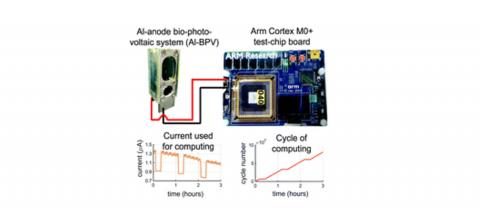
Engineers at the University of Cambridge created an algae battery that successfully powered a microprocessor computer for 6 months, on the current generated from a freshwater cyanobacteria.
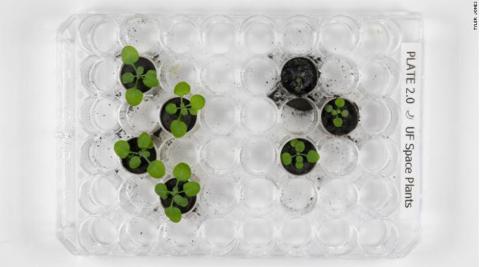
Researchers at the University of Florida have successfully grown plants in soil from the moon. The research used soil samples collected during the Apollo 11, 12, & 17 missions to test how well thale cress could or would grow in the extra-terrestrial soil. The cress was a champ and grew in the lunar soil, albeit it at a slower rate than in earth soil, while dealing with metabolic and oxidative stress.