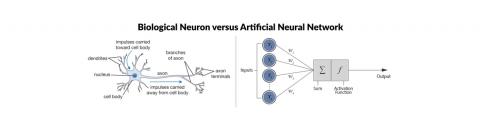
AI Summer published a handy overview guide to all the different types of deep learning algorithms, describing each and showing when you should use them.
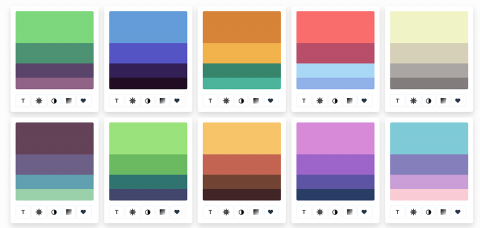
Designs.ai provide a set of AI powered design tools that help the user get graphic design work done without the need to have too much graphic design experience. The company have two paid AI products on offer, logomaker and videomaker. They also offer a set of free assistive tools, including a colormatcher, a palette selection tool using AI generated colours.
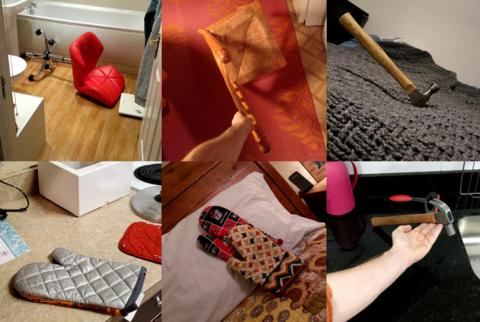
Researchers and MIT and IBM have created a new image dataset to use in the training of computer vision models. The new dataset, called ObjectNet, includes images of obscure objects at obscure angles among cluttered environments. The purpose of the new dataset is to help train algorithms on more real-world style scenarios.
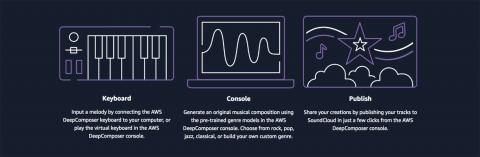
Amazon have announced AWS DeepComposer, a keyboard which connects to the AWS DeepComposer service and allows the user to generate an original musical composition using trained generative adversarial networks (GANs).
Python Speed published an interesting and useful blog post about the techniques available for processing large amounts of data, the easiest solution being throw money at the problem by buying more RAM.
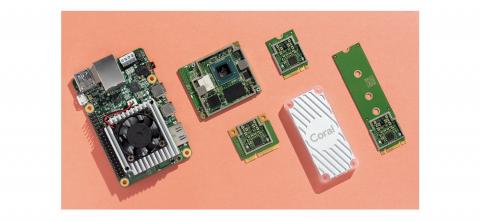
Google's Coral embedded AI devices are out of beta and are released to the public. The devices run tensorflow AI onboard, allowing AI solutions to be deployed in the field, such as in hospitals and water treatment plants.
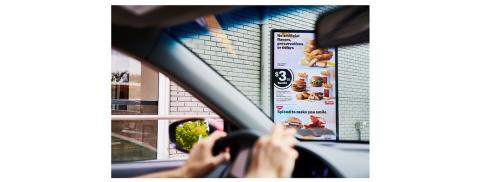
McDonalds have started using AI to control digital drive through displays to suggest menu options based on time of day, weather and product popularity. Some McDonalds restaurants are trialling number plate recognition to add a customer's previous orders into the recommendation system.
A project called generated.photos has released a repository of 100,000 fake faces generated using the StyleGAN generated adversarial neural network. The photos are free for non-commercial use.
Researchers at Portland State University and Adobe have demonstrated being able to generate a 3D Ken Burns effect (parallax) using a single image. The system uses neural networks to generate depth predictions and object boundaries, and context aware in-painting to generate the missing pieces of the video to simluate a moving point of focus. We can tick another Star Trek TNG sci-fi concept off the list.