
Science

Glow In The Dark Plants

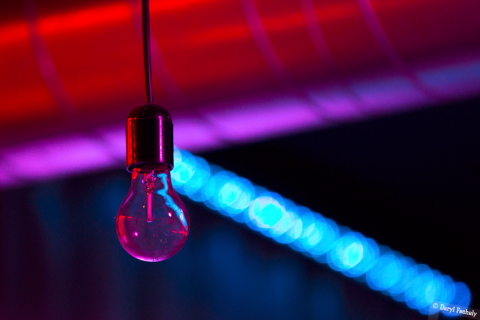
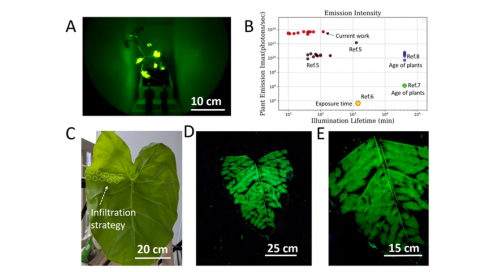
Scientists at MIT have successfully injected nanoparticles into plants to give them glow in the dark properties, for the second time. The strontium aluminate nanoparticles are coated in silica so as not to damage the plant. Just 10 seconds of exposure to LED or sunlight cause the plants to glow green for up to an hour, at a brightness ten times more than the previous experiment. The plan is to be able to use these glowing plants as passive lighting in outdoor areas, thus reducing the need for street lighting.


Our Eyes Can't Focus On Blue

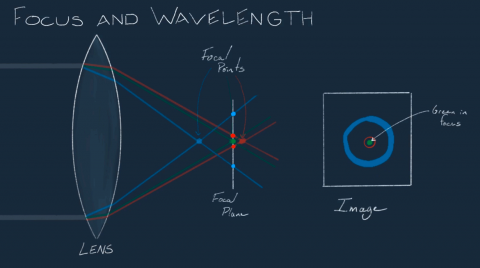
Due to the differing focal points of coloured light, our eyes can't focus on blue as well as green and red light at the same time. As a result, our brain steps in and makes up the difference. Check out Caleb Kruse interesting post that illustrates this with some side by side comparisons of images with and without the blue channel.

The Brain's Musical Expectation

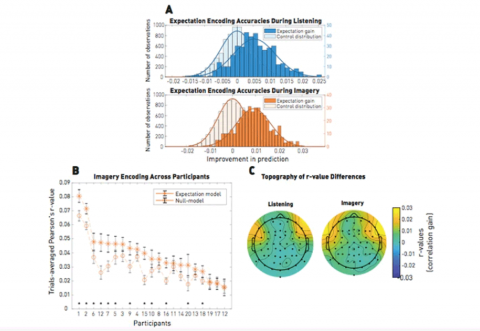
Researchers from Trinity College Dublin used EEG monitors to scan the brain of musicians while they listened to a piece of music and imagined a piece of music they knew. The study found that the brain's electrical activity for listened music and imagined or expected music was the same except for being of opposite voltage. When the listened music matched the expected music in the brain, the positive and negative signals cancel each other out.

Faster Than Wind Travel

A former aerospace engineer turned YouTuber Rick Cavellero designed a land yacht that harnesses the power of the wind to propel itself faster than said wind. After online disagreements with physics professors, one who bet him $10,000 that it wasn't possible according to the laws of perpetual motion, he built the real thing and won the bet!

Pages

Life Changing Smart Thinking Books

Subscribe to RSS - Science